.png)


Sublocade vs Suboxone Key Differences and Uses in Drug Abuse Recovery
When facing opioid addiction, choosing the right treatment can make a significant difference in recovery success. Two common medications used in opioid use disorder treatment are Sublocade and Suboxone. Both help manage withdrawal symptoms and reduce cravings, but they work differently and suit different needs. Understanding their uses and key differences can help patients and caregivers make informed decisions.
What is Sublocade?
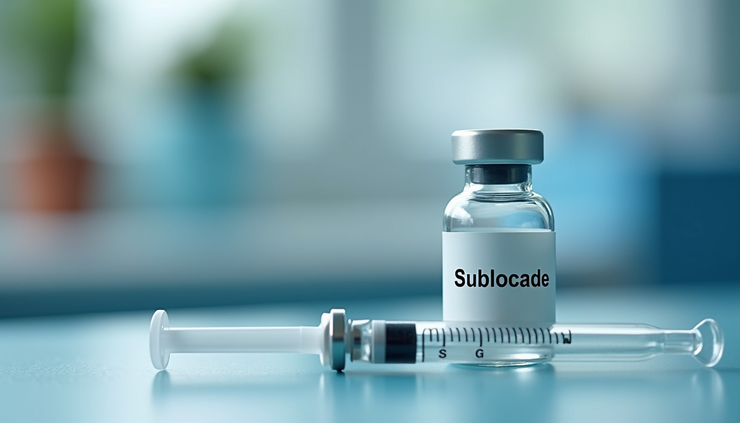
Sublocade is a monthly injectable form of buprenorphine, a medication that partially activates opioid receptors in the brain. It is designed to provide a steady dose of medication over a month, helping to prevent withdrawal symptoms and reduce cravings without the need for daily dosing.
How Sublocade Works
Administered as a subcutaneous injection once a month by a healthcare professional.
Releases buprenorphine slowly into the bloodstream.
Maintains stable medication levels, avoiding peaks and troughs common with daily pills or films.
Helps block the effects of other opioids, reducing the risk of relapse.
Uses of Sublocade
Treatment of moderate to severe opioid use disorder.
Suitable for patients who have already been stabilized on buprenorphine.
Ideal for those who prefer less frequent dosing and want to avoid daily medication management.
Helps improve adherence by reducing the chance of missed doses.
What is Suboxone?
Suboxone is a daily medication that combines buprenorphine and naloxone. It comes as a sublingual film or tablet placed under the tongue. The naloxone component discourages misuse by causing withdrawal symptoms if injected.
How Suboxone Works
Taken daily, usually once a day.
Buprenorphine reduces withdrawal symptoms and cravings.
Naloxone prevents misuse by injection.
Allows patients to self-administer medication at home.
Uses of Suboxone
Treatment of opioid use disorder in various stages.
Often used to initiate treatment and stabilize patients.
Provides flexibility for patients who prefer daily control over their medication.
Can be adjusted in dose more easily than monthly injections.
Key Differences Between Sublocade and Suboxone
Understanding the differences helps determine which medication fits a patient’s lifestyle and treatment goals.
Feature | Sublocade | Suboxone |
Form | Monthly injection | Daily sublingual film or tablet |
Administration | Given by healthcare provider | Self-administered at home |
Dosing Frequency | Once a month | Once daily |
Medication Type | Buprenorphine only | Buprenorphine + Naloxone |
Risk of Misuse | Low, due to injection and monthly dosing | Higher, but naloxone reduces injection misuse |
Stabilization | Requires prior stabilization on buprenorphine | Can be used to start treatment |
Convenience | High, fewer doses to remember | Requires daily adherence |
Cost and Access | May be more expensive and require clinic visits | Generally more accessible and less costly |
Who Should Consider Sublocade?
Sublocade suits patients who:
Have already stabilized on buprenorphine and want to simplify their treatment.
Prefer not to take daily medication.
Have difficulty adhering to daily dosing schedules.
Want to reduce the risk of medication diversion or misuse.
Can visit a healthcare provider monthly for injections.
Who Should Consider Suboxone?
Suboxone fits patients who:
Are beginning treatment for opioid use disorder.
Prefer the flexibility of daily dosing.
Are comfortable managing their medication at home.
Need dose adjustments during early recovery.
Want a medication that includes naloxone to discourage misuse.
Practical Considerations in Treatment Choice
Choosing between Sublocade and Suboxone depends on several factors:
Lifestyle: Monthly injections reduce daily medication burden but require clinic visits.
Treatment Stage: Suboxone is often used to start treatment; Sublocade is for maintenance.
Risk of Misuse: Sublocade lowers misuse risk due to its delivery method.
Cost and Insurance: Insurance coverage and out-of-pocket costs vary.
Patient Preference: Some prefer daily control; others want fewer doses.
Side Effects and Safety
Both medications share common side effects such as headache, nausea, constipation, and injection site reactions (Sublocade). Serious side effects are rare but can include respiratory depression. Patients should always follow medical advice and report any adverse effects.
Supporting Recovery Beyond Medication
Medication is one part of recovery. Counseling, support groups, and lifestyle changes are essential. Both Sublocade and Suboxone work best when combined with behavioral therapies and ongoing support.


Comments